I am a student at in Uru Mānuka. In 2020 I was a year 9 and in 2021 I will be a year 10. This is a place where I will be able to share my learning with you. Please note....some work won't be edited - just my first drafts, so there may be some surface errors. I would love your feedback, comments, thoughts and ideas.
Tuesday, October 20, 2020
Mind map - Film study
Tuesday, October 13, 2020
Caroline notes
Opening scene:
What happened - Coraline's other mother grabs doll through a window and un stuffs the doll and then continues to stuff it to make it look like Coraline.
Camera shot/angles - Close-ups, as showing details of dolls when it's getting constructed. No wide shots included in this scene, so it doesn't give away the identity of the person.
Music - Slow, suspenseful and scary. It's a made-up language so it sounds sweet and innocent sung by kids. The only real word is dreaming. Genre = classical music.
Colour - Green, black, aged and old filters and also a cream colour. Feels as if the doll was made a while ago.
Lighting - Artificial light/lamp, Natural light as in the moon. It is very dull and deemed light because it needs to set the mood of the scene.
The real house/world :
What happened - Feels as if its abandoned, faded pink, old and run down, peeling paint, dead. Weather looks cold, grey, misty and wet.
Camera angles - Wide angles/shots show the whole house.
Music - Background noises, also a lot of diegetic sounds. So sounds that that happen naturally like footsteps.
Colour - Faded, dark and cloudy, because it tries to make it spooky.
Lighting: Natural lighting from the sun behind the grey clouds. It is very dim and cold. It makes the location feel very unpleasant.
Extra notes - There is a birds-eye view of Coraline and it makes her seem small as the music starts speeding up and getting louder to make her feel cautious of what she's doing, and then a cat pops up and everything freezes and goes still. Whilst everything still remains dull and dark. The transition from in the woods to in the kitchen was very well done. When she is in the kitchen she has a lot of close-ups and low angles. But the mood is still very cloudy and dark.
Character comparison
Real-world
Describe - Cranky, Strict, hard-working, they care about Coraline but don't show it. They look as if they are run down and tired due to having black bags under their eyes, pale skin and washed out.
Costume - Worn, faded, baggy clothes and very plan and lazy clothes.
Lighting - Cold, dull and artificial and a bit of natural lighting. Isolated, dark and lonely lighting.
Colour - Pale, bone dry, faded and of course Coraline and the cat's eyes is the only bright thing in the real world.
Music - No music just diegetic sounds.
Otherworld
Describe - Bright, energetic, friendly and looks like they have time for Coraline. Other father waiting for Coraline and while the other mother is cooking. Look more fit with rosy skin and more alive.
Costume - Bright colours, more fashionable, newer, fancy and fits better. Fitted nice clothes.
Lighting - Bright, artificial, saturated and warm\happy with a welcoming feeling.
Colour - Bright warm-toned colours, vibrant, everything is eye-catching. A welcoming place you'd want to be. Coraline blends in better.
Music - Happy music, the piano is being played by another father. Another mother is always humming a creepy song. The minor scary feeling when the other mother hums.
Character comparison: Neighbours
Describe - Weird, eccentric, dismissive and crazy. Keeps calling her Caroline even though she corrects them all the time. Talkative and self-absorbed.
Costume - Old worn, baggy clothes are too big, Mr b in too small outfit, miss Spink d Forrible clothes don't fit, not presentable.
Lighting - Foggy, dull and natural lighting. Makes as if you don't want to be there.
Colour - More colours of the clothes on people and their hair. But it's not as bright and still quiet faded tones of colours. Still lots of bland colours.
Music - Old fashioned, but they all have their own types of music.
Other World
Describe - The things that Coraline didn't like about her neighbours changed, and they started using her proper names. Look younger and more appealing. The colours are more vibrant and bright colors. Wybie can't talk.
Costume -
Lighting -
Colour -
Music -
Tuesday, September 15, 2020
Hand and bone structure
In hurumanu 2 we have looked at the hand - how much bones does it have and what makes the hand move. There are 27 bones in your hand. 5 bones in your palm, 8 bones in your wrist, and 14 bones for your fingers.
Tendons:
What is a tendon?
A tendon is a stringy connective tissue that attaches muscle to the forearm bone which allows your phalanges (fingers) to move up and down. Tendons also attach muscles to the structure such as the eyeball.
Muscles:
The muscles in your hand are Thumb Muscles, Palmar Muscles, and Little Finger Muscles. The main muscle in your hand that moves your phalanges is called Flexor Digitorum Profundus. This muscle is in the forearm which flexes the fingers to move, contracting, and relaxing the tendons.
Ligaments:
The ligaments are strong bands of connective tissue that attaches to the bones to support them and keep them in place. Ligaments also help the structure of movement for your fingers so they aren't jelly.
Saturday, September 12, 2020
Camera techniques - Visual dictionary
Camera techniques
Visual dictionary
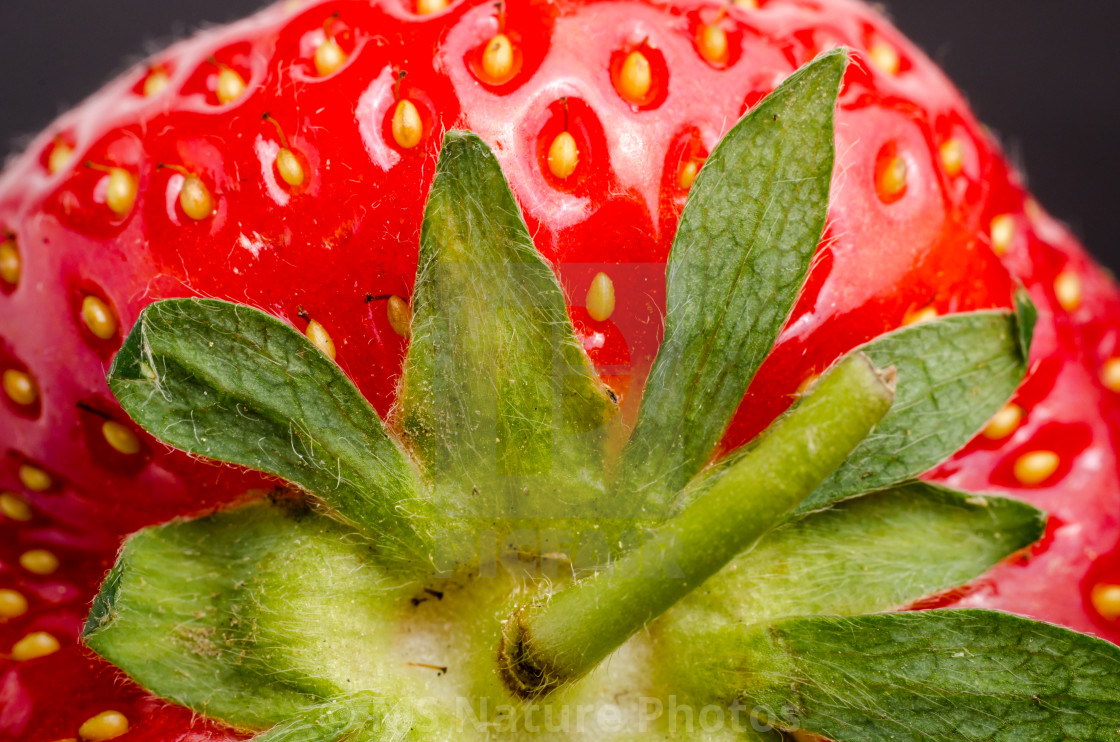
Extreme close-up: An extreme close upshot is a shot that is often used to point out small detailed areas or subjects such as parts of the face, fruits, and animals.
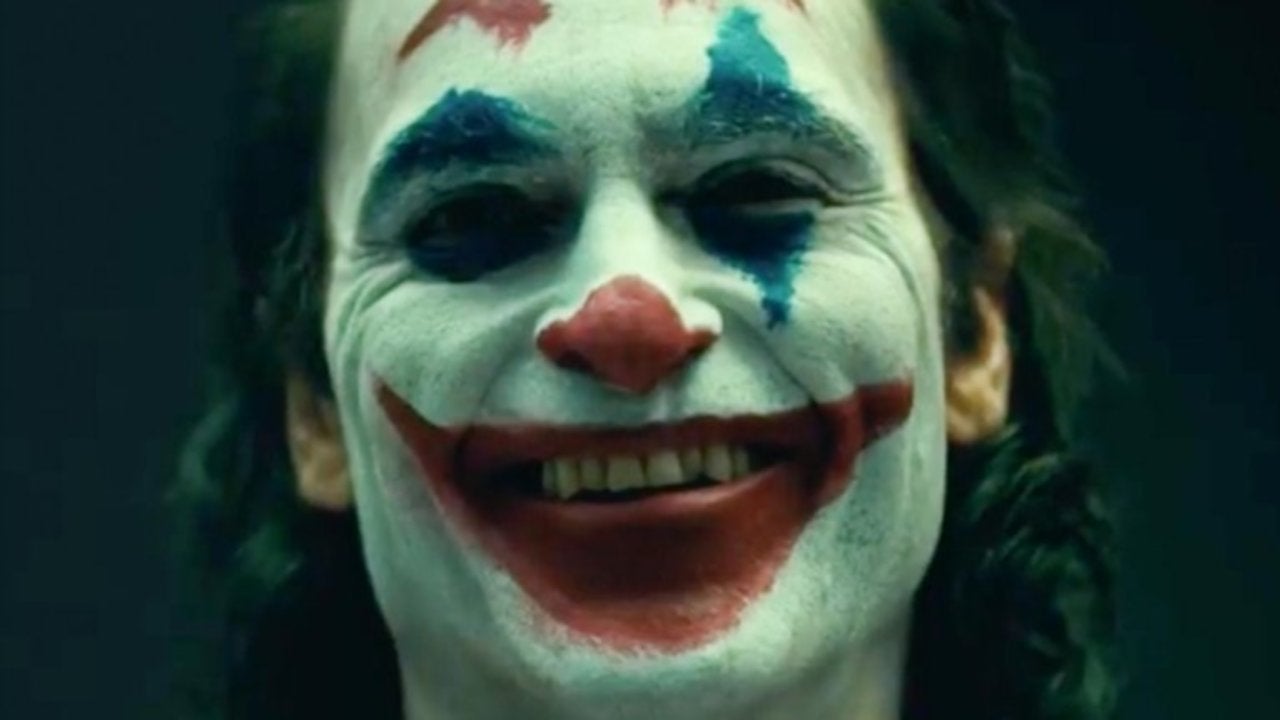
Close-up: Close-ups are one of the most common shots usually used with medium and long shots. Close-ups are capturing the face and the emotions and the reactions they have on it.
Medium close-up: Medium is a shot that is tightly framed of a person or subject from their chest or shoulders up. Mediums are used when there are “natural” scenes or with scenes showing full face emotions.
Medium shot: Medium shots are usually taken from the waist up, it catches more of the setting and the characters body language It is also used for dialogue scenes.
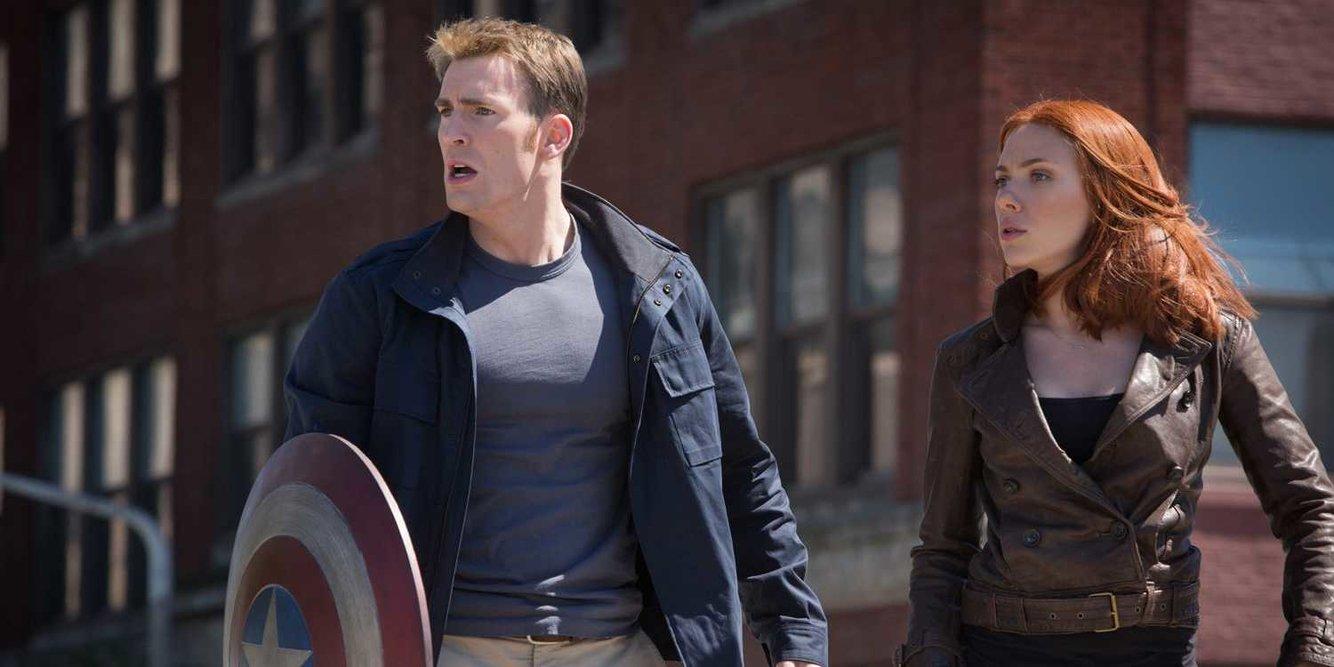
Medium long shot: A medium long shot is taken from the knees up it is generally used for group shots as the frame can include from many characters or visual elements simultaneously. The shot is in between a medium and a long shot making it able to see more of the setting and body language the character has.
Long (wide) Shot: A wide shot is a shot usually taken of the whole person or object and is easily captured - A long shot is used to indicate a location around the subject.
Extreme Long-Shot: A extreme long shot is a shot from the distance showing the landscape making the human figure or an object look small.
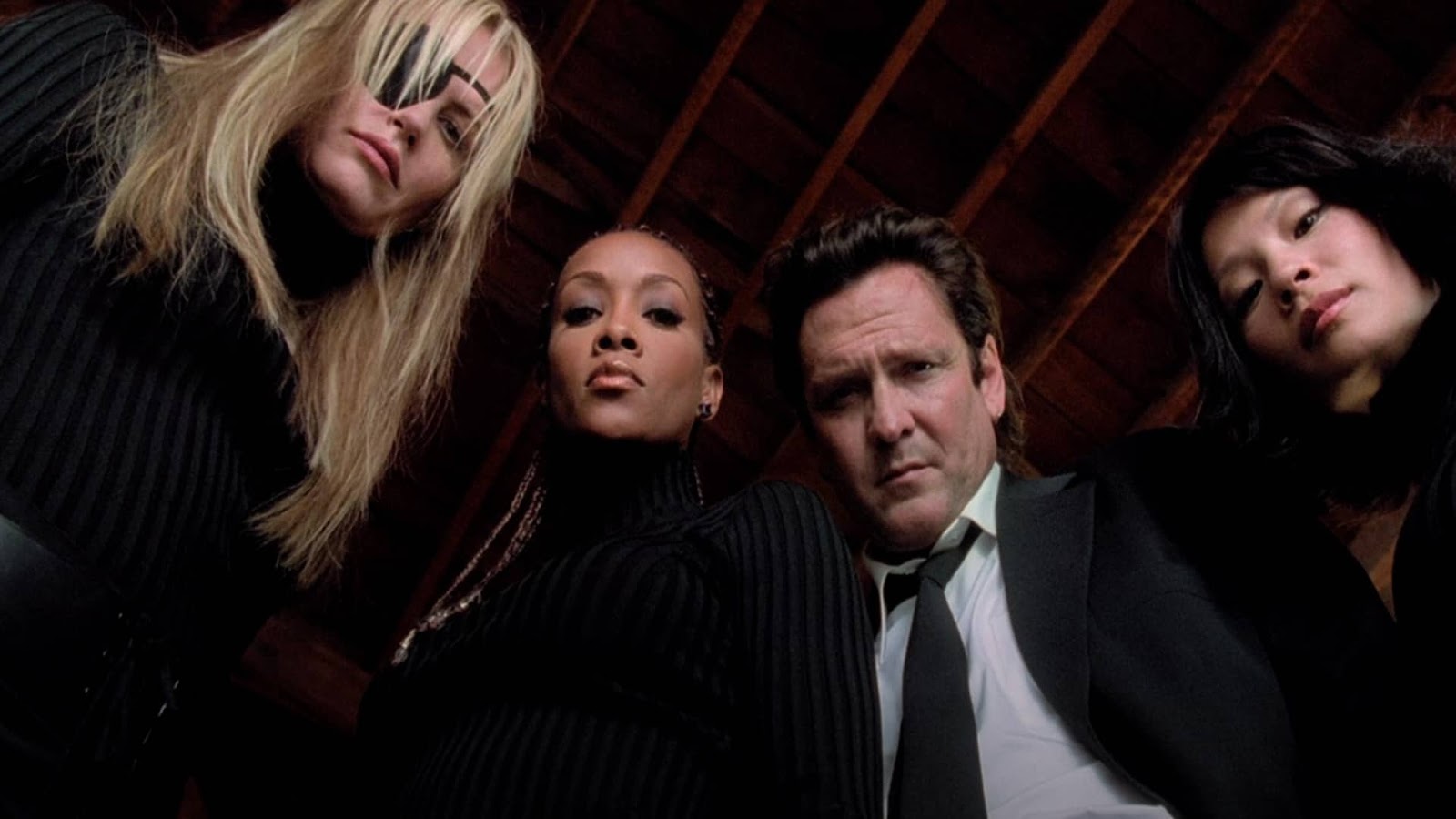
Low Angle: a low angle is a shot from which is taken low on a vertical angle from anywhere under the eye line to possibly below the feet of the subject, It is often used to make the subject feel powerful or threatening.
High Angle: The high angel shot is a technique where the camera is facing down at the subject from a high angle making the subject look weak or vulnerable.
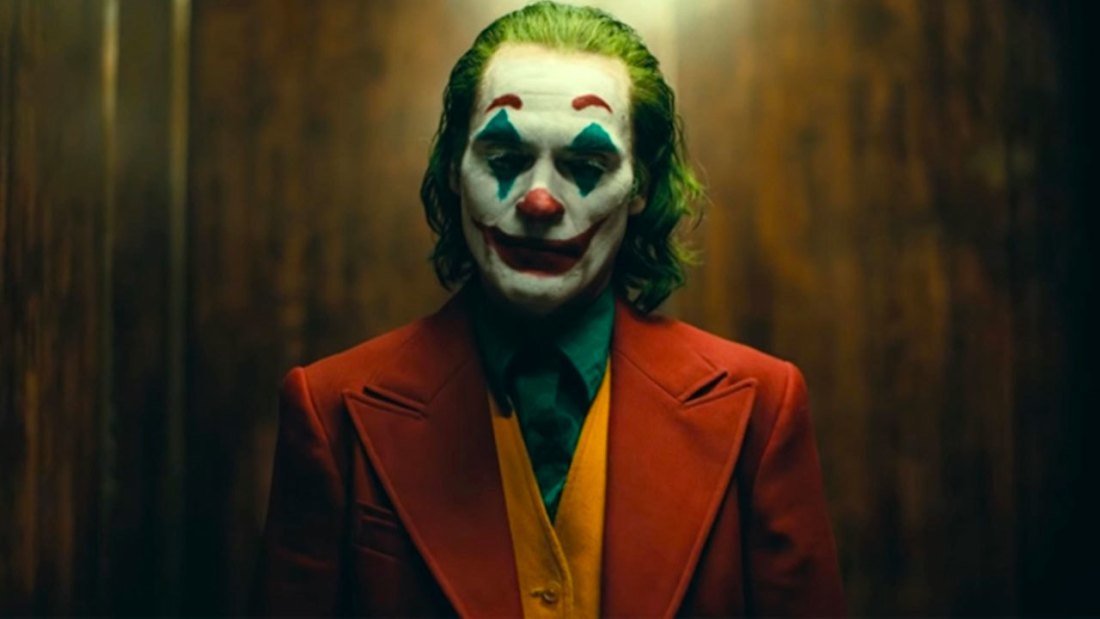
Eye Level: An eye-level is the most common shot. It is a camera positioned so the subject can look into the camera without having to move their eyes up or down. It is considered to be emotionally neutral and is best used for straight, factual presentation
Birds Eye View: A birds-eye view is a view from a high angle as if seen by a bird in flight. It is a view that is seen as a bird might see it, from an elevated perspective.
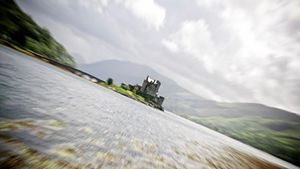
Dutch Tilt: A Dutch tilt is a camera shot in which the camera angle is slanted to one side - this can be used for dramatic effect.
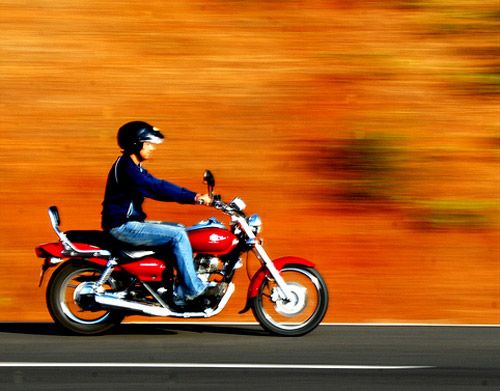
Pan: A pan shot or panning shot is a technique where you follow a moving subject, and you can shoot this with a slower shutter speed to create a feeling of speed or action
Tilt: A tilt shot is a shot that uses a cinematographic technique called tilting in which the camera stays fixed but rotates up and down on a vertical plane
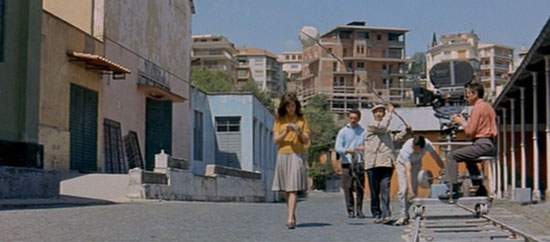
Tracking: A tracking shot is any shot where the camera follows backward, forward, or moves alongside the subject being recorded.
Point of View: A point of view shot is a film angle that shows what a character is looking at in the first person.
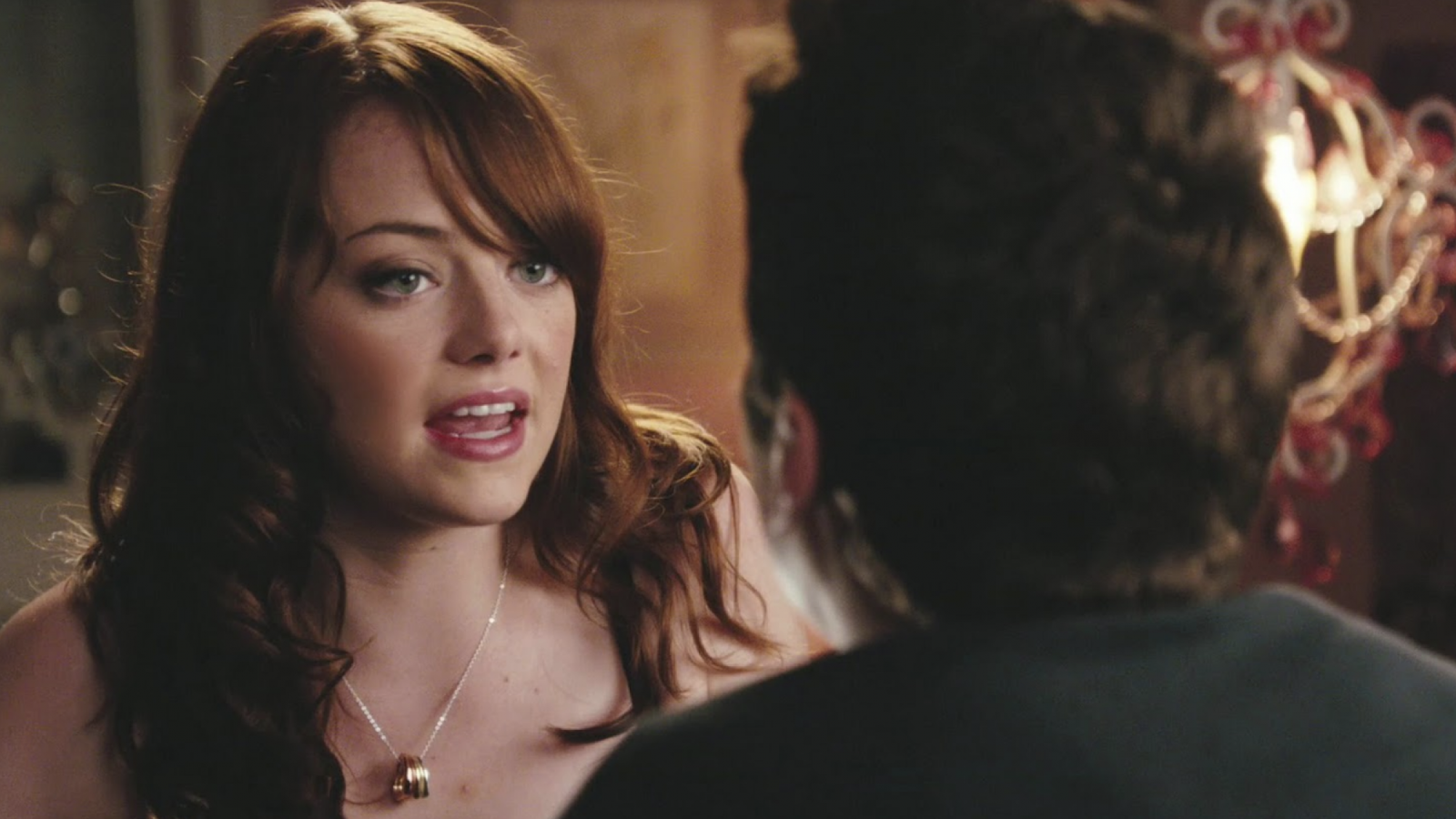
Over the shoulder: An over the shoulder shot is when the camera is positioned behind one character and facing another.
Mise En Scene: Mise en scene is the stage design and arrangement of actors in scenes for a theatre or film production, both in visual arts through storyboarding, visual theme.
What am I learning?
I am learning to understand the different types of language used in film and Camera techniques.
How does this work show my learning?
To show that I know and understand what I’m learning about.
What am I wondering as a result of this learning?
I am wondering who made all of these techniques and angles.
Sunday, September 6, 2020
Photomontage
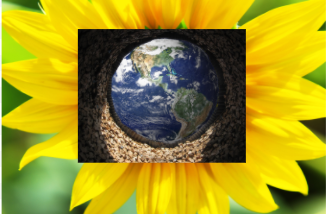
Lately, in art, we have been looking at photo montage and who might also create art pieces like Hannah hotch and John stezaker. I think making these montages have been really fun and interesting, I have learned many things about putting montages together and about Hannah Hoch, Did you know her mostly used techniques was the of fusion male and female bodies of traditional german women.
With this montage, I got inspired by nature and the world. I threw together a sunflower(being big), a cave(being a telescope but zooming in making it look small), and the earth - The reason why I used colour on this montage is that I look at it in a bright colorful way because it went with the nature and beauty theme. What I’m trying to tell in the montage is that the world is smaller then you think but bigger than your opinion.
Visual + Sound techniques
Wednesday, August 26, 2020
Algebra in science
In maths this term we have looked at algebra and geometry. We have used maths books and paper, group work, and done work on mathletics. The topic we have recently looked at was velocity and speed using paper planes or a ball, we made a slide with a template with how many seconds the plane/ball took to land on the floor and how far it went suing seconds and a meters